How to Store 3D Printer Filament at High Humidity in Kerala: Guide for Makers
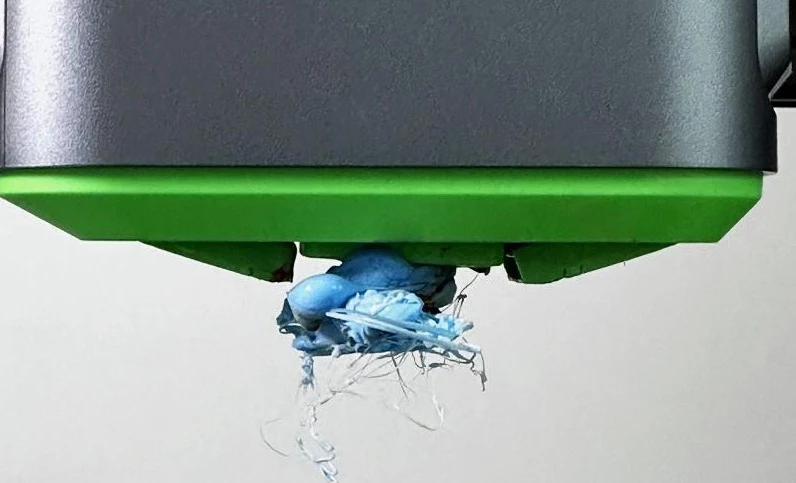
Quick Takeaways:
- Target Storage Conditions: Sealed storage of < 15%–20% Relative Humidity using indicating silica gel / active dryboxes.
- Drying Temperatures: PLA at 45°C–50°C (4–6 hrs), PETG at 65°C (6–8 hrs), TPU at 55°C (6–8 hrs).
- Core Rule: Desiccants can only preserve dry filament, not remove moisture from wet spools. All commercially available desiccants, including indicating silica gels and clay-based moisture traps, are useless for removing water from polymer chains.
High Humidity in Kerala's Coastal Climate Damages 3D Printed Parts
The average Relative Humidity (RH) in Kerala's coastal climate ranges from 70% to 95% during the SW and NE monsoon seasons. All thermoplastic filaments are inherently hygroscopic polymers that absorb water molecules from the atmosphere. When a strand of filament is fed into a 200°C–250°C hotend, the trapped water molecules flash-vaporize into steam.
Trapped Moisture + 215°C Nozzle Temp
  = Micro Steam Explosions
  = Popping Sounds + Extrusion Gaps + Severe Stringing
An unsealed reel of standard PLA or PETG left on a spool holder for 24–48 hrs in Kochi, Trivandrum, Kozhikode, or Thrissur will have absorbed enough atmospheric moisture to cause print failures.
4 Signs of Filament That Has Absorbed Moisture
Before adjusting retraction distances or z-offset, consider the following symptoms of wet filament:
- Popping / Sizzling at Hotend: Audible crackling and hissing during extrusion as trapped steam escapes the nozzle.
- Aggressive Stringing and Oozing: Even with optimal retraction settings (0.8mm for direct drive or 5.0mm for Bowden), wet filament will ooze and string excessively due to internal steam pressure.
- Pitted / Rough Surface: Poor layer bonding, weak perimeters, and random voids in the extruded plastic.
- Brittle Filament Snapping: PLA will become hydrolyzed and brittle when wet. If you bend a 90-degree section of PLA filament and it snaps like raw pasta, or breaks cleanly inside your PTFE reverse Bowden tube overnight, it's saturated with moisture.
Step 1: Active Thermal Drying (Desiccants Won't Extract Water)
Many beginner makers and College FabLab managers make the critical error of trying to dry wet filament by putting the spool in an airtight container with a couple packets of silica gel.
Silica gel only removes moisture from the AIR inside the enclosure, not the WATER molecules bound to the polymer. To break the hydrogen bonds and remove moisture from the filament strands, you need to apply heat and air pressure.
┌─────────────────────────────────────────────────────────────┐
│                 ACTIVE vs PASSIVE DRYING                    │
├──────────────────────────────┬──────────────────────────────┤
│ Active Drying (Heat+Venting) │ Passive Storage (Sealed Bag) │
│ • Breaks bonds & evaporates  │ • Prevents moisture ingress  │
│   water from polymer at      │   at < 20% RH                │
│   45°C–80°C                  │                              │
└──────────────────────────────┴──────────────────────────────┘
Method A: Drying Boxes with Built-in Circulation Fans
Filament dryers like the Sunlu S2/S4, Creality Space Pi, and Eibos maintain stable temperatures while circulating warm dry air through the chamber. Attach PTFE tubes to the front spool feed port and run them to the printer's extruder.
Method B: Heated Print Bed Trick (No Filament Dryer Required)
- Place the spool on the 3D printer's heated bed.
- Cover it with the original cardboard shipping box.
- Poke 3–4 small 5mm holes in the top for venting.
- Set bed temperature:
- PLA: 50°C for 5 hrs
- PETG / TPU: 65°C for 7 hrs
- Flip the spool over halfway through the process to ensure even drying.
Filament Drying and Storage Reference Table
| Material | Hygroscopic Level | Max Open Storage (Kerala 80% RH) | Drying Temp. (°C) | Drying Time | Storage Target RH |
|---|---|---|---|---|---|
| PLA / PLA+ | MODERATE | 48 – 72 Hours | 45°C – 50°C | 4 – 6 Hours | < 25% |
| PETG | HIGH | 12 – 24 Hours | 65°C | 6 – 8 Hours | < 20% |
| TPU (95A / 85A) | VERY HIGH | 4 – 8 Hours | 55°C | 6 – 8 Hours | < 15% |
| ABS / ASA | MODERATE | 24 – 48 Hours | 70°C – 80°C | 4 – 6 Hours | < 20% |
| NYLON (PA6 / PA12) | EXTREME | < 2 Hours | 75°C – 85°C | 12 – 16 Hours | < 10% |
| Polycarbonate | HIGH | 4 – 6 Hours | 80°C – 90°C | 8 – 10 Hours | < 10% |
⚠️ Warning: Never exceed a filament's glass transition temperature (Tg) during drying. For standard PLA, the strands will fuse together at 55°C+, ruining the entire spool.
Step 2: Airtight Storage Systems
After drying, place the spool in an airtight container with RH < 20% for long-term storage.
1. DIY Cereal Container Drybox (Recommended for Direct Printing)
- 4L or 10L airtight storage boxes with silicone perimeter gasket and 4-way latches.
- 3D-printed spool rollers with 608ZZ skate bearings.
- PC4-M6 pneumatic fittings mounted on the side wall.
- 4mm OD / 2mm ID PTFE Capricorn / Teflon tube routed into the printer's extruder.
- Optional: Mini RH hygrometer mounted on the plastic wall to confirm target < 20% RH.
2. Vacuum Storage Bags (Good for Spools That Won't Be Printed Within 1–2 Weeks)
- Use vacuum compression bags with double-ribbed zip lock and one-way valves.
- Use a small USB rechargeable or hand pump to remove air.
- Add 50g of silica gel per 1kg spool before sealing.
Step 3: Desiccant Selection and Regeneration
Indicating silica gel is recommended over blue silica gel or bentonite clay desiccants, as blue silica gel contains toxic Cobalt chloride.
Orange Indicating Silica (Active: <15% RH)
       │
       ▼ [Absorbs moisture from enclosure air]
Dark Green Silica (Exhausted: Needs Recharge)
       │
       ▼ [105°C–120°C in Oven for 1.5–2 hours]
Orange Indicating Silica (Ready to reuse)
Regenerating Indicating Silica Gel (Orange to Dark Green)
- Lay out the saturated green beads on a heat-resistant glass/metal tray.
- Bake in electric oven or toaster convection oven at 105°C–120°C for 1.5–2 hours.
- Or use microwave on defrost/medium setting in 3-minute intervals, mixing until the beads turn orange.
- Cool the beads slightly in a sealed container and store them in desiccant jars or dryboxes.
Monsoon Protocols for FabLabs, Colleges & Print Farms
Engineering colleges (CET Trivandrum, MEC, CUSAT, GEC Thrissur) and commercial 3D print farms see significantly higher filament failure rates during the monsoon season (June–August & October–November). We recommend the following standard operating procedures:
- 30-Minute Unload Rule: No overnight filament mount on idle printers. Always remove the spool from the printer after a print completes and return it to a vacuum bag or drybox.
- Dedicated Print Farm Drying Station: Maintain a 24x7 commercial food dehydrator or commercial spool drying chamber for incoming student projects.
- Sealing Guide Tubes: Always seal the open end of PTFE guide tubes with printable TPU caps or tape when not in use to prevent humid air siphoning into the direct drive system.
- Weekly Desiccant Inspection: Designate a lab technician or operator to check all hygrometer gauges on Mondays. Any box with >25% RH needs its desiccant replaced immediately.
Summary Checklist
- Filament Popping Inspection: Before printing long parts, listen for popping sounds, inspect walls for roughness, and test the filament's flexibility.
- Active Drying of Wet Spools: Always use a filament dryer at recommended temperatures (PLA 45°C–50°C, PETG 65°C, TPU 55°C).
- Airtight Storage: Store all spools in airtight containers with desiccant packs, maintaining < 20% RH.
- Drybox Printing: Use PTFE tubes to print directly from dryboxes for hygroscopic materials like PETG, TPU, and Nylon.
Request Fresh Spools or Upgrades from Iterate Labs
At Iterate Labs, all spools of PLA+, PETG, TPU, and high-temp are vacuum-sealed with factory desiccant and dimensionally tested (±0.02mm). We offer quick 24–48h dispatch and GST invoices for engineering college projects, university FabLabs, and commercial print farms across Kerala.
- 🚀 Fast Kerala Dispatch: Dispatched within 24 hours across Kochi, Trivandrum, Kozhikode, Thrissur, and all Kerala districts.
- 💬 Need Technical Support? For technical support on printer profiles or drybox setup, contact the Iterate Labs technical team directly via WhatsApp.
Frequently Asked Questions (FAQ)
Can I use a kitchen microwave to dry 3D printer filament?
No. Microwaves are not recommended for filament drying. Microwaves heat the water molecules, causing the polymer to melt and stick to the spool.
How do I know if my PLA is degraded and cannot be used?
If you bend the first 10cm of PLA and it snaps into several pieces, try cutting off the exposed 1-meter and actively drying the remaining spool at 45°C for 6 hours. If the filament is still brittle after thorough drying, the polymer chains have broken down and the spool should be recycled.
Why is PETG stringing so badly in Kerala compared to winters?
PETG is a highly hygroscopic polymer that begins to absorb moisture within 6 hours of exposure to 80%+ RH. Even 0.2% moisture reduces PETG's viscosity, causing excessive stringing and oozing that cannot be fixed by slicer retraction settings.